


Brain Stroke Treatment in Gurgaon & Delhi NCR | Dr. Vikas Kathuria, Neurosurgeon
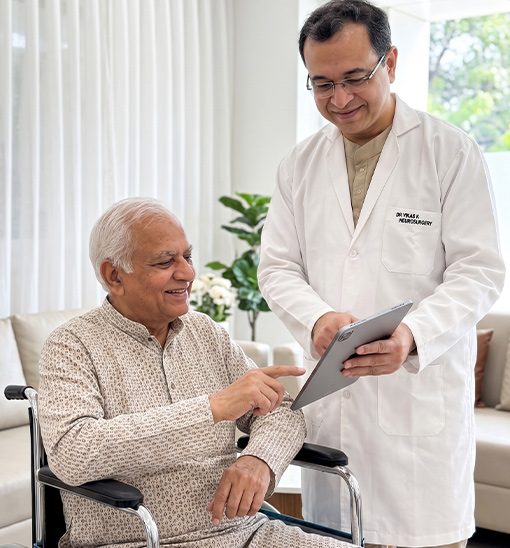
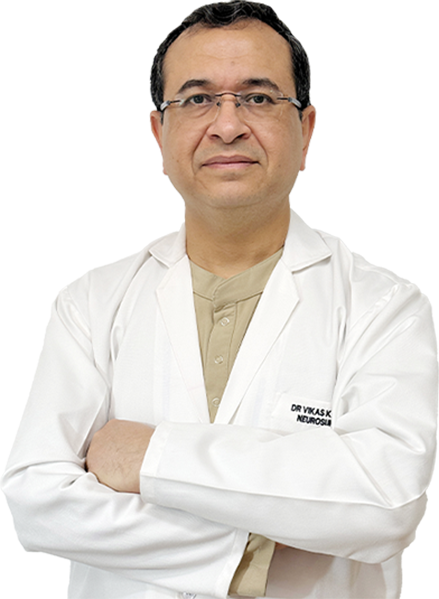
Brain stroke is a medical emergency that requires immediate diagnosis and treatment. If you or a loved one is searching for Brain Stroke Treatment in Gurgaon, timely intervention within the first few hours can make the difference between full recovery and permanent disability. Dr. Vikas Kathuria, a leading brain stroke specialist and Senior Consultant Neurosurgeon at Max Hospital, Gurgaon, and head of Skin Aura Brain & Spine Neuro Centre, DLF Phase IV, Gurugram, has treated thousands of stroke patients across Gurgaon, Delhi NCR, and Faridabad with advanced, evidence-based care.
What Is a Brain Stroke?
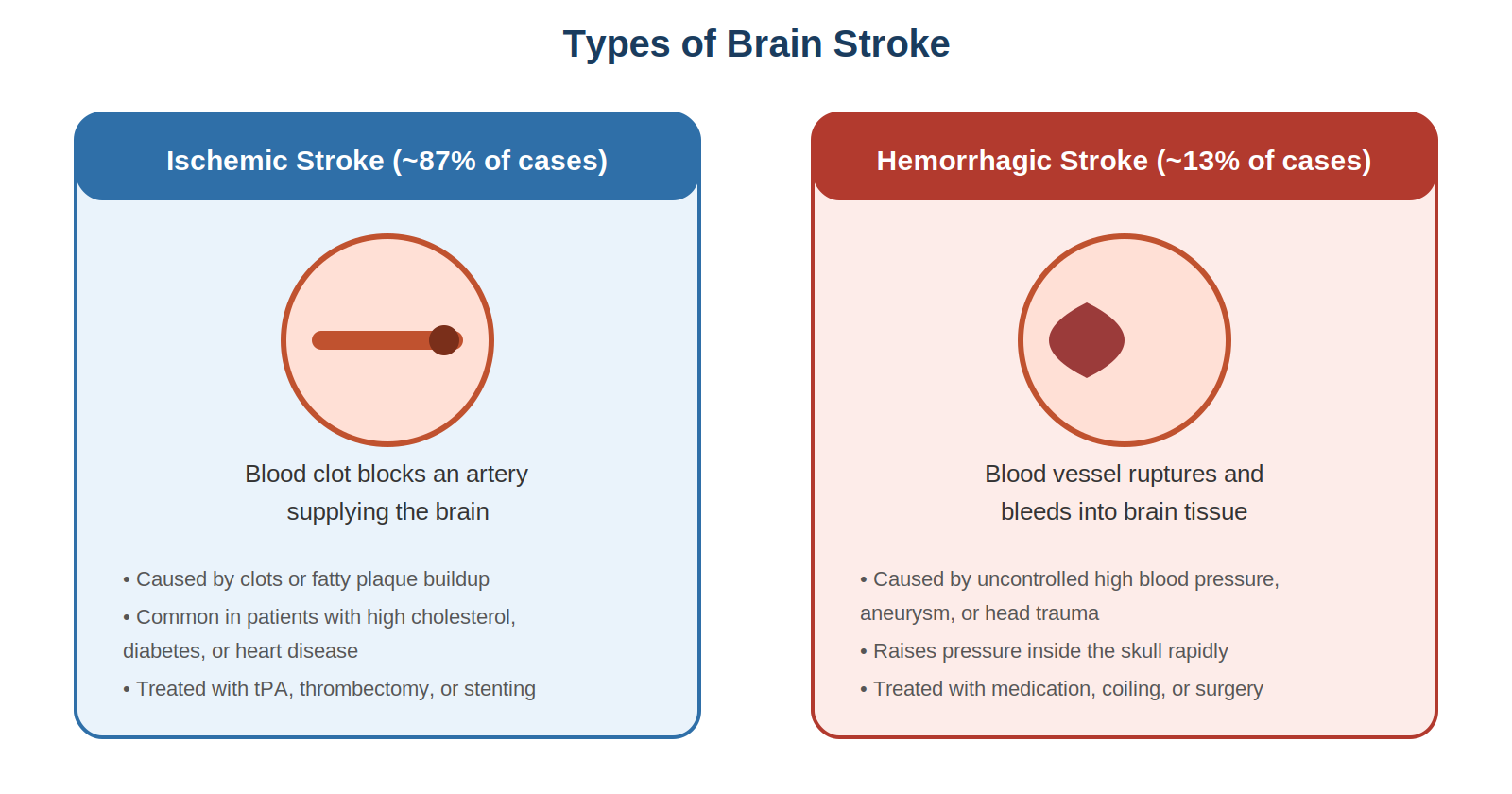
A brain stroke occurs when the blood supply to a part of the brain is interrupted or reduced, depriving brain tissue of oxygen and nutrients. As a result, brain cells begin to die within minutes. This is why doctors call stroke a “time is brain” emergency — the faster treatment starts, the more brain function can be saved. Overall, stroke is broadly classified into two categories, each requiring a very different treatment approach.
Types of Brain Stroke
Causes and Risk Factors of Brain Stroke
Several medical and lifestyle factors increase the risk of a brain stroke. Therefore, understanding them helps patients in Gurgaon and Delhi NCR take preventive steps early.
- High blood pressure (hypertension) — the single biggest risk factor for both ischemic and hemorrhagic stroke
- Diabetes — damages blood vessels over time, increasing clot risk
- High cholesterol — leads to plaque buildup and narrowed arteries
- Heart disease, including atrial fibrillation (irregular heartbeat)
- Smoking and tobacco use — damages blood vessel walls and thickens blood
- Obesity and physical inactivity
- Excessive alcohol consumption
- Family history of stroke or prior transient ischemic attack (TIA / mini-stroke)
- Age above 55, though stroke can occur at any age
Symptoms of Brain Stroke — Remember F.A.S.T.
Recognizing stroke symptoms quickly is the most important factor in getting timely treatment. For this reason, doctors use the simple F.A.S.T. method to help patients and families identify a stroke immediately:
- F — Face drooping: One side of the face droops or feels numb. Try asking the person to smile.
- A — Arm weakness: One arm feels weak or numb. Similarly, ask the person to raise both arms and check if one drifts downward.
- S — Speech difficulty: Slurred speech, or difficulty speaking and understanding.
- T — Time to call emergency services: If any of these signs are present, note the time symptoms started and rush to the nearest stroke-ready hospital immediately.
In addition, other symptoms may include sudden severe headache, dizziness, loss of balance or coordination, blurred or double vision, and sudden confusion.
How Is a Brain Stroke Diagnosed?
On arrival, doctors act quickly to confirm the type and location of the stroke, since treatment differs completely between ischemic and hemorrhagic cases. Consequently, common diagnostic steps include:
- CT scan or MRI of the brain — to identify a clot or bleeding, and rule out other conditions
- CT or MR angiography — to check blood vessels for blockage or aneurysm
- Blood tests — to check blood sugar, clotting factors, and cholesterol
- ECG and echocardiogram — to check for irregular heart rhythms as a possible cause
Medication and Treatment Options for Ischemic Stroke
Doctors use different medications and procedures depending on how quickly the patient reaches the hospital after an ischemic stroke. In particular, administering recombinant tissue plasminogen activator (tPA) injection is the standard first-line treatment in such conditions.
Medical professionals usually administer this injection within three hours of stroke onset, though in select cases it can be given up to four and a half hours after symptoms begin. As a result, administering the injection within this critical window significantly reduces long-term damage caused by ischemic strokes.
Endovascular System
If the tPA injection is not administered on time, the doctor can access the brain directly through the blood vessels. However, this treatment is only effective within a limited period after stroke symptoms begin — the doctor delivers medicine through a catheter inserted in the groin and guides it directly into the brain.
Stent Placement
During examination, if the doctor finds that an artery wall has weakened and there is a risk of further complications, a stent may be recommended to support the vessel wall. Consequently, this expands the restricted channel and restores healthy blood flow to the brain.
Surgery
Surgeons perform brain surgery only when non-surgical procedures fail to resolve the underlying issue or when the blockage is not accessible by minimally invasive methods.
Thrombectomy
Thrombectomy is the procedure of mechanically removing blood clots from a blood vessel in the brain using a catheter. Indeed, it is one of the most effective emergency treatments for ischemic stroke when performed within the recommended time window.
Treatment Options for Hemorrhagic Stroke
Recovery and management for a hemorrhagic stroke differ significantly from ischemic stroke care, since the underlying problem is bleeding rather than blockage.
Medication, Clamping and Coiling
Patients typically go through medication management first, followed by clamping or coiling procedures to seal off the bleeding source. Otherwise, surgery is considered only when these options do not resolve the condition.
Surgery
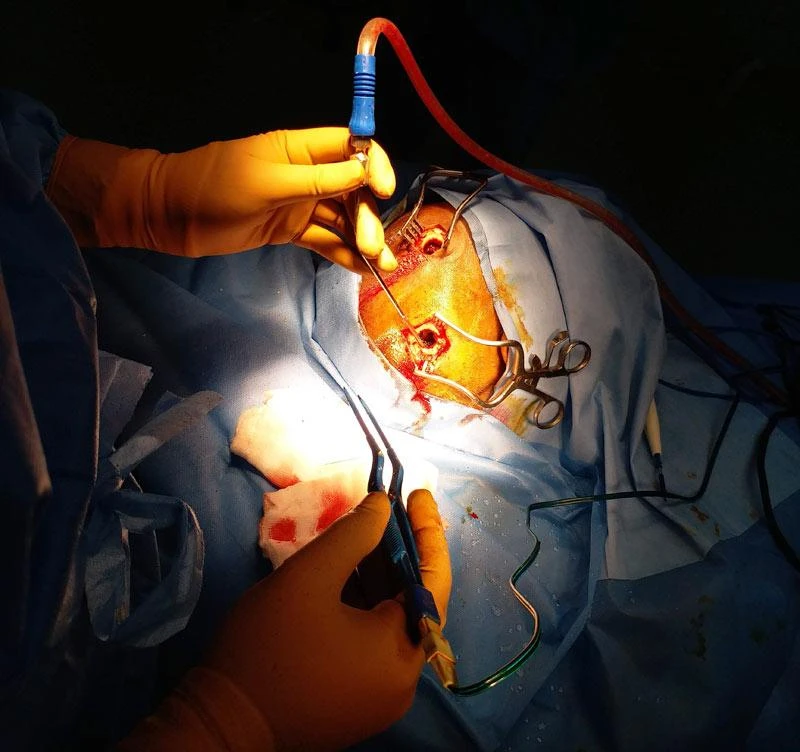
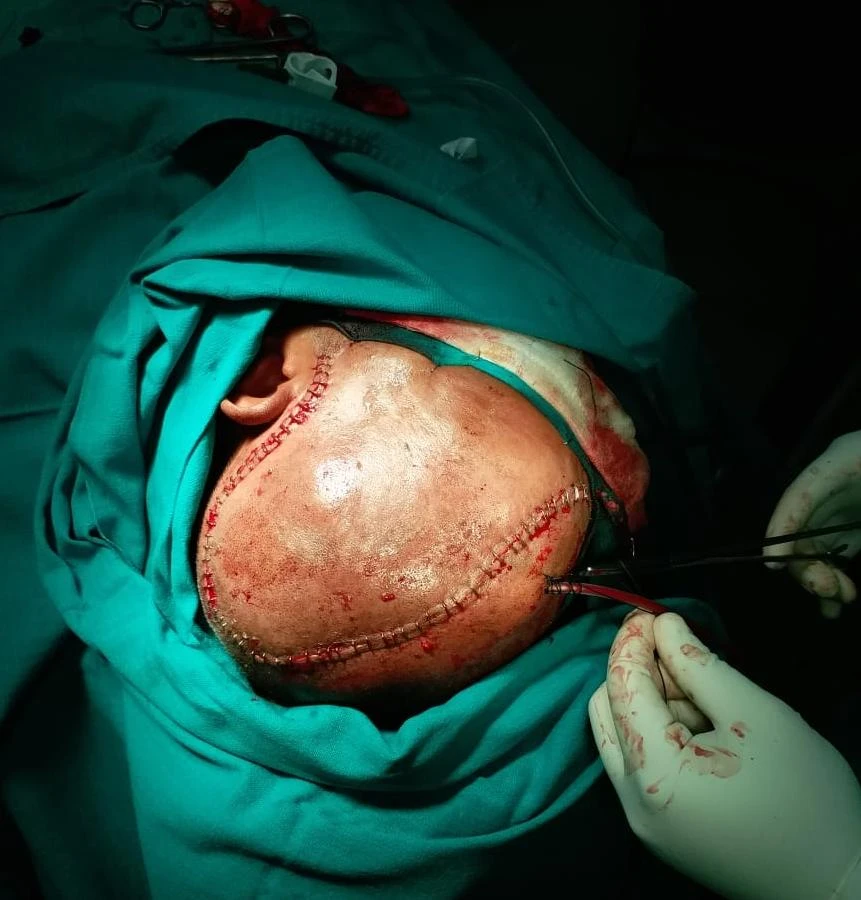
In more severe cases, surgery may be required for several purposes. Here, Dr. Vikas Kathuria’s primary goal during surgical intervention is to reduce intracranial pressure by draining excess fluid and blood safely.
Stereotactic Radiosurgery
Alternatively, stereotactic radiosurgery is an advanced, minimally invasive treatment option for select stroke-related conditions, using precisely focused, high-dose radiation beams to target the affected area without open surgery.
Inside Skin Aura Brain & Spine Neuro Centre, Gurgaon
Every stroke patient’s journey begins with a calm, accurate consultation. Here, Dr. Vikas Kathuria and his team review CT/MRI reports in detail at Skin Aura Brain & Spine Neuro Centre, DLF Phase IV, Gurugram, explain the diagnosis in simple language, and design a treatment plan suited to the patient’s condition — whether that means emergency thrombolysis, a minimally invasive procedure, or a structured rehabilitation programme.
Moreover, for patients travelling from across Gurgaon, Delhi NCR, and Faridabad, the clinic’s central DLF Phase IV location — a short walk from Huda City Centre Metro Station — makes it easy to reach quickly during a neurological emergency, and equally convenient for routine post-stroke follow-up visits.
Recovery and Rehabilitation After a Stroke
Recovery does not end once the medical emergency is over, since many stroke patients need structured rehabilitation to regain strength, speech, and independence. Typically, a recovery plan may include:
- Physiotherapy — to rebuild muscle strength, balance, and mobility
- Speech and language therapy — for patients with slurred speech or difficulty communicating
- Occupational therapy — to relearn daily activities like eating, dressing, and writing
- Psychological support — since post-stroke depression and anxiety are common
- Regular follow-ups — to monitor blood pressure, sugar, and cholesterol and prevent a second stroke
How to Prevent a Brain Stroke
- Keep blood pressure, blood sugar, and cholesterol under control
- Quit smoking and limit alcohol intake
- Exercise regularly and maintain a healthy body weight
- Eat a low-salt, low-fat, fibre-rich diet
- Get regular health check-ups, especially if you have a family history of stroke or heart disease
Overall, you do not need to worry — modern medical science has advanced significantly in handling stroke cases. With an expert like Dr. Vikas Kathuria, patients across Gurgaon, Delhi, and the wider NCR region get access to fast, effective, and thorough stroke care.
Why Choose Dr. Vikas Kathuria for Brain Stroke Treatment in Gurgaon
- 26+ years of experience in brain, spine, and neurological disorders
- Senior Consultant Neurosurgeon at Max Hospital, Gurgaon
- 2.5 lakh+ patients treated and 5,000+ successful surgeries
- Available at Skin Aura Brain & Spine Neuro Centre, DLF Phase IV, Gurugram, and on-call at leading hospitals across Gurgaon and Delhi NCR
- Emergency stroke care, thrombolysis, and long-term rehabilitation programs under one roof
Frequently Asked Questions
What are the early symptoms of a brain stroke?
Symptoms include sudden weakness or numbness on one side of the body, difficulty speaking, loss of vision, dizziness, and a severe headache. Use the F.A.S.T. method — Face, Arm, Speech, Time — to identify a stroke quickly.
How soon should stroke treatment be started?
Immediate medical attention is crucial. The first three to four and a half hours after symptoms begin are critical, so patients in Gurgaon and Delhi NCR should reach an emergency stroke unit as fast as possible.
What is the best brain stroke treatment in Gurgaon?
At Skin Aura Brain & Neuro Centre, Dr. Vikas Kathuria provides emergency stroke care, thrombolysis, thrombectomy, and advanced rehabilitation-based stroke management.
What causes a brain stroke?
A stroke is caused either by a blood clot blocking an artery in the brain (ischemic stroke) or by a ruptured blood vessel bleeding into brain tissue (hemorrhagic stroke). High blood pressure, diabetes, high cholesterol, and smoking are major contributing factors.
Can a stroke be prevented?
Yes — by managing blood pressure, diabetes, and cholesterol, quitting smoking, and maintaining a healthy, active lifestyle.
Do you offer long-term rehabilitation programs for stroke patients?
Yes, customized physiotherapy, speech therapy, and rehabilitation programs are available to help stroke patients in Gurgaon and Delhi NCR recover and regain their day-to-day abilities.
Consult Dr. Vikas Kathuria for the best Brain Stroke Treatment in Gurgaon.
Best Neurosurgeon for Brain Stroke Treatment in Gurgaon, Delhi NCR & Faridabad