


Squat rack ke baad achanak sir phat jaane jaisa dard? You are not alone. Across Gurgaon, Noida and Delhi NCR, thousands of young professionals hit the gym before or after office, add more plates every month, and sometimes walk out with a pounding headache. Most of the time it is harmless. But in rare cases, a headache while lifting can be the first sign of something serious: a brain aneurysm.
This guide explains the real brain aneurysm risk in gym training, what is myth and what is science, which warning signs mean “go to the hospital now”, and how to lift smart without fear.
Quick Answer
Heavy lifting does not create a brain aneurysm. But in a person who already has an unruptured aneurysm, a sudden blood pressure surge from maximal lifts and breath-holding can act as a trigger. A sudden, explosive headache during or after a lift is an emergency. A dull, band-like headache that settles with rest is usually a harmless exertional headache.
Gym Mein Sir Dard: Normal Hai Ya Warning?
A headache that begins during or soon after strenuous activity is called an exertional headache. Weightlifting, running and high-intensity training are the commonest triggers. The pain is usually throbbing, affects both sides of the head, and lasts anywhere from a few minutes to about 48 hours.
The good news is that most exertional headaches, around nine in ten, are primary, meaning no dangerous structural cause is behind them. The remaining group, roughly one in ten, are secondary and can be linked to conditions such as an aneurysm, abnormal blood vessels or a tumor. Knowing the difference is what protects you.
| Feature | Primary (usually harmless) | Secondary (needs a scan) |
|---|---|---|
| Onset | Builds gradually during or after the workout | Sudden, explosive, peaks within seconds to a minute |
| Pain type | Throbbing, both sides of the head | Worst headache of life, often one-sided or at the back |
| Duration | Minutes to 48 hours, then settles | Persists, worsens or keeps returning |
| Other symptoms | None | Vomiting, stiff neck, double vision, fainting, weakness |
Common benign triggers include dehydration, skipping meals, poor sleep, overheated gyms, tight neck muscles and holding your breath during a lift. If your headaches stay linked to such triggers and disappear after fixing them, relax. If they keep recurring, read on, and consider an evaluation for headache treatment in Gurgaon.
Can Heavy Lifting Cause a Brain Aneurysm? Myth vs Fact
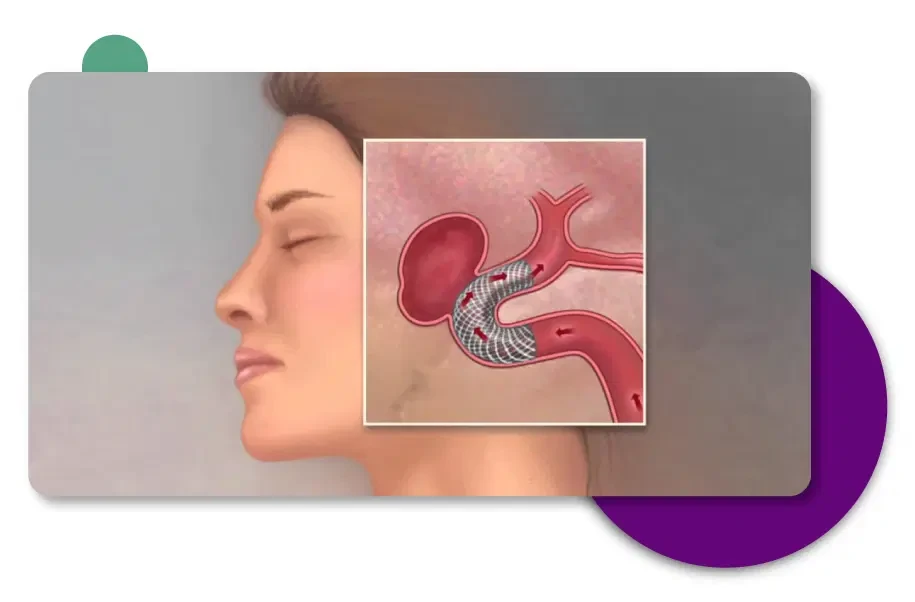
A brain aneurysm is a weak, ballooning spot in the wall of a brain artery. Estimates suggest that a few adults in every hundred carry one, and most never know. The fear around gyms comes from one real fact: a sharp blood pressure rise can stress a weakened vessel wall.
“Squats and deadlifts will give me an aneurysm.”
Lifting is very unlikely to form an aneurysm. Long-standing high blood pressure, smoking and genetics matter far more.
“If I have an aneurysm, I will definitely rupture it in the gym.”
Studies suggest vigorous exertion raises short-term rupture risk by about 2.4 times or more, yet only a small share (roughly 2 to 7 percent) of ruptures actually happen during strenuous activity.
So the honest message is balanced. Exercise is excellent for your heart, blood pressure and mind. The concern applies mainly to people with an undiagnosed or known unruptured aneurysm who push max-effort lifts. For a deeper clinical read, see this overview from Healthline on brain aneurysm and weightlifting.

Why Does Heavy Lifting Spike Blood Pressure? The Valsalva Effect
When you take a deep breath, hold it and strain against a heavy bar, you perform what doctors call the Valsalva manoeuvre. Pressure inside the chest and abdomen rises, which stabilises your spine but also pushes blood pressure sharply higher for a few seconds. Pressure around the brain rises too.
For a healthy vessel, this is a brief stress it handles easily. For a thin-walled aneurysm, even a short surge is the moment of vulnerability. Max-effort single reps, long breath-holds and “grinding” through the last rep are the situations that create the biggest spikes. Strong, controlled breathing is the simplest protection.
Brain Aneurysm Warning Signs Every Gym-Goer Must Know
Emergency: Go to the Nearest Hospital Immediately
- A thunderclap headache, sudden and explosive, often called the worst headache of your life
- Headache with repeated vomiting, stiff neck or sensitivity to light
- Fainting, confusion or collapse during or right after a lift
- Double vision, drooping eyelid, weakness or trouble speaking
- Seizure at the gym
Call 112 or an ambulance. Do not drive yourself, and do not wait for it to pass.
Sometimes an aneurysm leaks a little before a major rupture. This produces a sentinel headache, a sudden severe headache that fades in hours or days. Because it improves, many people ignore it. That is dangerous, since it may be the only warning you ever get. A brain scan done early gives doctors a window to treat the aneurysm before it ruptures. Read how a bleed is managed in our guide to brain haemorrhage treatment.
Subtle Signs of an Unruptured Aneurysm
Most unruptured aneurysms are silent. A larger one may press on nearby nerves and cause pain behind one eye, a dilated pupil, blurred or double vision, or numbness on one side of the face. Headaches that keep worsening in the same spot also deserve attention. These signs are not specific to aneurysms, which is why a neurosurgeon’s assessment matters.
Who Is at Higher Risk? Gurgaon and Delhi NCR Gym-Goers
Corporate life in Gurgaon, Noida and Delhi adds hidden risk factors on top of heavy training: long sitting hours, stress, poor sleep, smoking or vaping, and high caffeine intake. Together they push blood pressure up silently.
- Uncontrolled high blood pressure, the biggest modifiable risk factor
- Smoking and vaping, which damage artery walls and increase rupture risk
- Family history of aneurysm or brain bleed in a parent or sibling
- Anabolic steroids, growth hormone and stimulant “pre-workout” or fat-burner supplements, which raise blood pressure and have been linked with brain bleeds and strokes in bodybuilders
- Genetic conditions such as polycystic kidney disease and some connective tissue disorders
- Heavy alcohol use and cocaine or other stimulant use
How Is a Brain Aneurysm Diagnosed?
If a sudden severe headache brings you to a hospital, the first step is a non-contrast CT scan to look for bleeding. Doctors then use CT angiography (CTA) or MR angiography (MRA) to show the aneurysm’s size, shape and location. A digital subtraction angiogram gives the most detailed map when treatment is being planned.
For repeated gym headaches without red flags, a neurosurgeon will first take a careful history, check blood pressure and examine the nerves. Imaging is added when the pattern, your age or your family history suggests a structural cause.
Brain Aneurysm Treatment Options
Treatment depends on whether the aneurysm has ruptured, and on its size, shape and location. A small, stable unruptured aneurysm may simply be monitored with regular scans, blood pressure control and lifestyle changes. Larger or higher-risk ones, and all ruptured ones, need repair.
| Option | How It Works |
|---|---|
| Surgical clipping | The surgeon opens a small part of the skull and places a tiny metal clip at the aneurysm neck to stop blood entering it. |
| Endovascular coiling | A catheter is guided through an artery, usually from the groin, and soft platinum coils fill the aneurysm so blood clots inside it. |
| Flow diverters | A mesh-like stent placed in the parent artery redirects blood flow away from the aneurysm, helping it heal. Useful for wide or giant aneurysms. |

Hospital stay after repair is usually a few days, and most people return to routine life in around six weeks with proper follow-up. Learn more on our brain aneurysm treatment in Gurgaon page. For authoritative background, the NINDS guide to cerebral aneurysms is a trusted reference.
7 Safe Lifting Rules to Protect Your Brain
- Never hold your breath for long. Exhale through the hardest part of the rep.
- Warm up properly for 10 to 15 minutes before heavy sets. Warm-ups help prevent exertional headaches.
- Avoid ego lifting. Skip frequent one-rep max attempts, especially if you are new or returning after a break.
- Stay hydrated and eat before training. Dehydration and low blood sugar are common headache triggers.
- Check your blood pressure regularly, particularly if you are over 30, stressed or have a family history.
- Say no to steroids and stimulant-heavy supplements. They raise cardiovascular and brain-bleed risk.
- Stop the set and sit down if you get a sudden headache, dizziness or visual change. Do not “push through” it.
Neck strain from poor form can also cause head pain that mimics a serious problem. If your headache comes with neck stiffness from squats or overhead presses, see our neck pain treatment in Gurgaon page. And because stroke and bleed symptoms overlap, it helps to know the BE-FAST stroke signs. Persistent headaches that change over weeks should also be compared with the early brain tumor warning signs.
When to See a Neurosurgeon in Gurgaon
Book a consultation if you notice any of the following, even when you feel well between episodes:
- Headaches that appear with every heavy session or keep getting stronger
- A one-time sudden severe headache that settled by itself
- A parent or sibling with a brain aneurysm or brain bleed
- Persistent headache along with eye pain, vision changes or numbness
- Planning to start serious strength training with high blood pressure
Patients from Gurgaon, Noida, Faridabad, Dwarka and across Delhi NCR visit for evaluation, and online video consultations are available for those who cannot travel. If your headaches look like migraine instead, our migraine treatment in Gurgaon service can help. You can also explore more patient guides on our neurosurgery blog.
About Dr. Vikas Kathuria
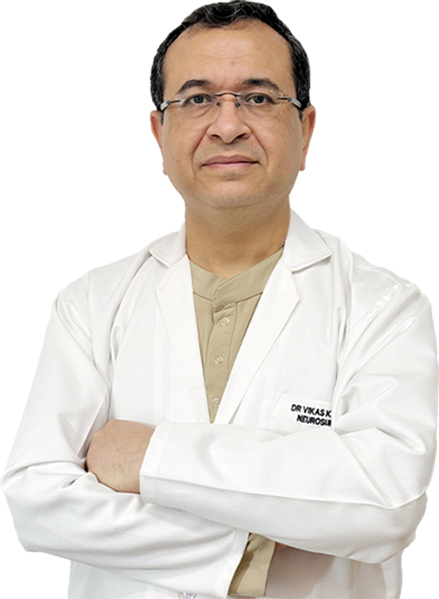
Senior Consultant Neurosurgeon with 26+ years of experience in brain, spine and nerve disorders, treating patients across Gurgaon and Delhi NCR with a conservative-first, patient-first approach. Consults at Max Hospital, Gurgaon and at Skin Aura Brain and Spine Neuro Centre, DLF Phase IV, Gurugram.
Clinic hours: Mon to Sat 10:30 AM to 12:30 PM and 6:00 PM to 7:30 PM. Sunday 10:00 AM to 2:00 PM.
Headaches During Workouts? Get Checked Before It Gets Serious
Early evaluation can separate a harmless gym headache from a real warning sign.
Frequently Asked Questions
1. Can lifting heavy weights cause a brain aneurysm?
Lifting is very unlikely to create an aneurysm. But if you already have an unruptured one, a sudden pressure spike from maximal lifting or breath-holding can act as a trigger for rupture. Most gym-goers never face this problem.
2. Is a headache after gym normal?
Often, yes. Most are primary exertional headaches from dehydration, breath-holding, poor sleep or sudden blood vessel dilation, and they settle within minutes to 48 hours. A sudden, explosive headache is different and needs emergency care.
3. What is a thunderclap headache?
It is a sudden, extremely severe headache that peaks within about a minute, often described as the worst headache of life. It can signal bleeding around the brain from a ruptured aneurysm and needs immediate hospital evaluation.
4. Can I go to the gym if I have a brain aneurysm?
Many people with a small, stable unruptured aneurysm can stay active, but heavy straining lifts are usually restricted. Your neurosurgeon will advise based on size, location and blood pressure. Walking, cycling and light resistance work are generally safer.
5. Which tests detect a brain aneurysm?
A CT scan finds bleeding in emergencies. CT or MR angiography then shows the aneurysm itself, and a digital subtraction angiogram gives the most detailed view when treatment is planned.
6. Where can I consult a neurosurgeon for gym-related headaches in Gurgaon?
Dr. Vikas Kathuria consults at Skin Aura Brain and Spine Neuro Centre, DLF Phase IV, Gurugram, and at Max Hospital, Gurgaon. Patients from Noida, Faridabad and the wider Delhi NCR can also book a video consultation.
Medical Disclaimer: This article is for education only and is not a substitute for professional medical advice. A sudden severe headache is a medical emergency. Call 112 or go to the nearest hospital immediately. Learn more from the Mayo Clinic overview of brain aneurysm.