


Is walking difficult because your leg feels tight, heavy or hard to bend? Leg stiffness after stroke can turn simple tasks, such as standing up or wearing shoes, into a daily struggle. Many people with a spinal cord injury face a similar problem. Doctors often call this tightness spasticity.
This guide is Part 1 of our three-part series on spasticity and the baclofen pump. Here, you will learn what causes the stiffness, which signs need attention and which treatments usually come first.
Quick Answers
- What is it? Muscle overactivity after damage to the brain or spinal cord.
- How may it feel? Tightness, jerks, spasms, pain or an unusual limb position.
- Can it be managed? Yes, several options exist. The right plan depends on the patient.
- When is it urgent? New stroke signs, or a suddenly swollen, painful or warm leg, need emergency care.
What Is Spasticity? The Cause Behind Many Stiff Legs
Your brain and spinal cord constantly send signals that tell muscles when to tighten and when to relax. A stroke or spinal injury can disturb this control. As a result, some muscles stay tight or react too strongly. MedlinePlus describes spasticity as stiff or rigid muscles, often with stronger reflexes.
Spasticity often becomes more noticeable when someone moves or stretches the limb quickly. However, not every stiff leg is spastic. Joint problems, pain, muscle shortening and other neurological conditions can also limit movement. That is why a clinical examination matters.
Spasticity, Weakness and Paralysis: What Is the Difference?
The muscle has less strength. For example, lifting the foot or leg takes more effort.
Voluntary movement is lost in the affected part. It may be complete or described along with partial weakness.
The muscle is overactive. It resists movement and may jerk or go into spasm.
These problems can occur together, so leg stiffness after stroke often comes with weakness. In fact, some patients use a certain amount of stiffness to support a weak leg while standing. So, the aim of treatment is not always to remove all tightness. Instead, the team looks at what helps and what causes difficulty.
Symptoms of Leg Stiffness After Stroke
Symptoms of leg stiffness after stroke can be mild or severe. They may also change during the day. Common signs include:
The knee may not bend easily while walking. Consequently, the leg may swing out to the side.
The foot may turn down or inward, so the heel does not rest properly on the floor.
Toes may bend tightly and cause pain or trouble with footwear.
Tight inner thigh muscles may pull the legs together. This can affect walking and hygiene.
The leg may suddenly stiffen, bend or kick without your control.
The foot or another body part may show repeated, rhythmic jerking.
Spasticity can affect the arm as well. For instance, the elbow may stay bent, or the hand may remain clenched. Over time, a limb that rarely moves through its range can develop a contracture. This means the soft tissues shorten and the joint becomes difficult to move.
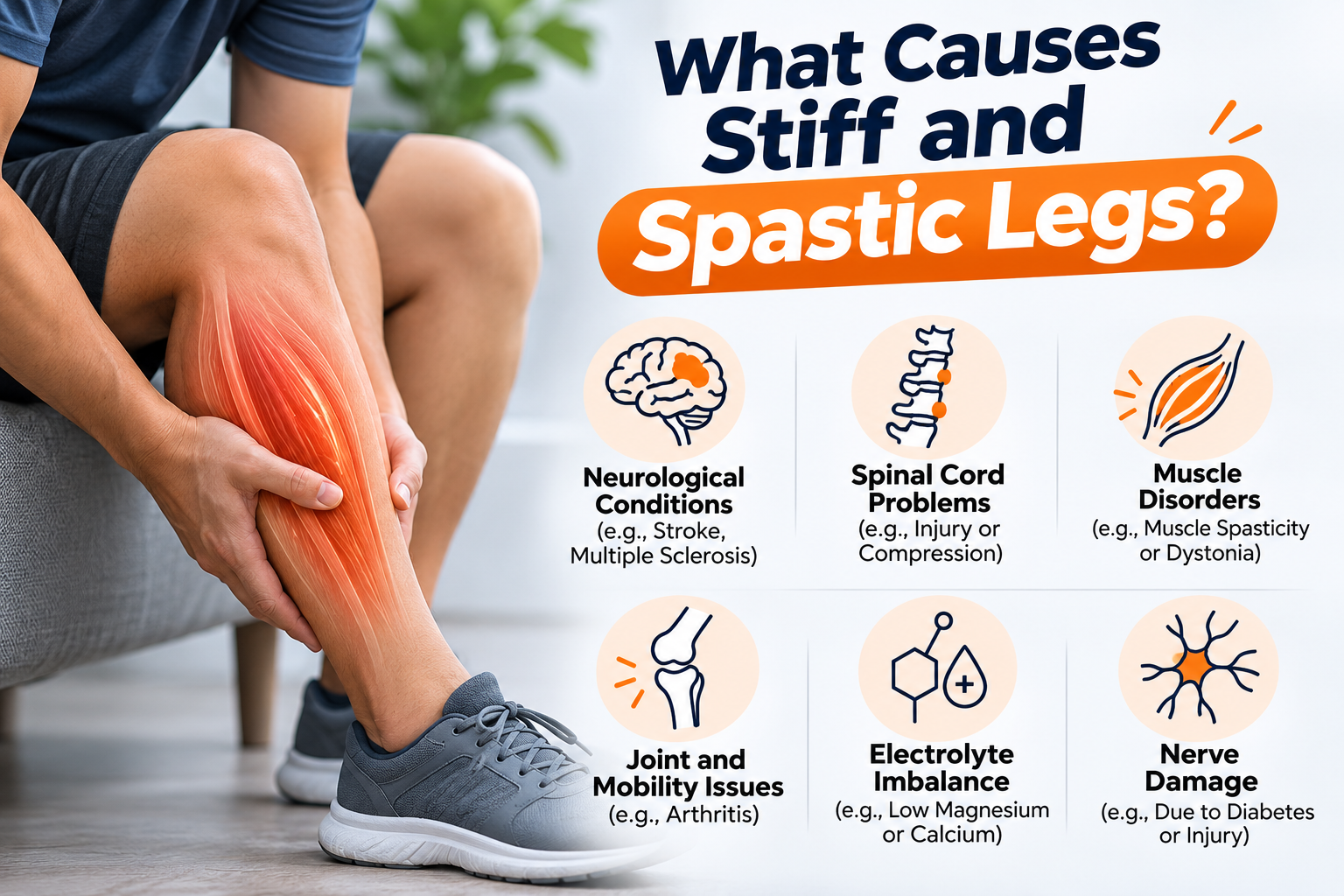
What Causes Stiff and Spastic Legs?
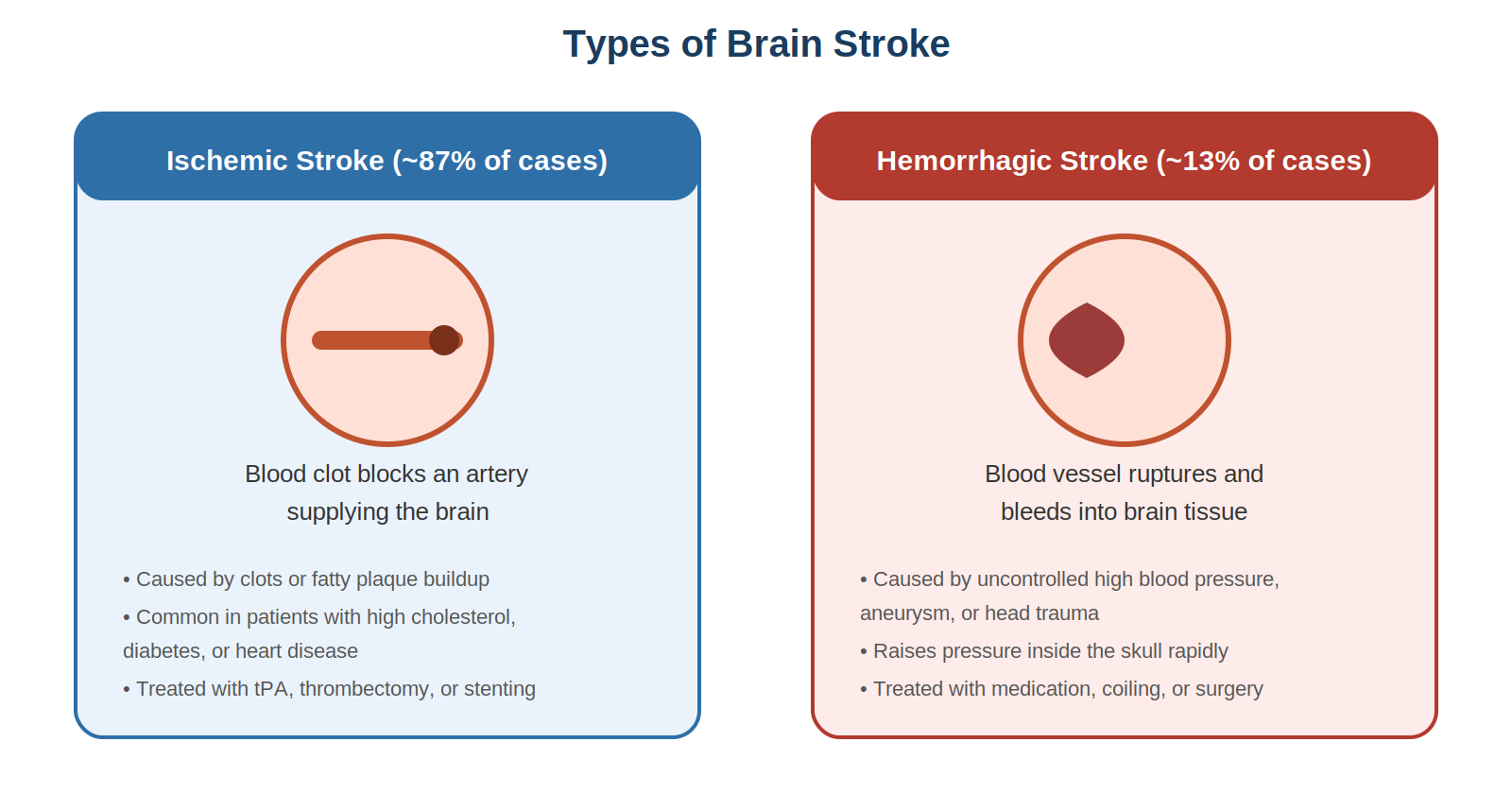
Stroke
A stroke damages part of the brain. Stiffness usually affects one side of the body, called spastic hemiplegia or hemiparesis. If you want to understand stroke care, read about brain stroke treatment in Gurgaon.
Spinal Cord Injury and Spinal Cord Disease
Damage to the spinal cord may cause stiffness in both legs, known as spastic paraparesis. When the arms and legs are both involved, doctors may call it spastic quadriparesis. Besides injury, pressure on the cord from neck disease or a tumour can cause similar signs. Related pages include cervical spine surgery and spine tumour treatment. Not every such patient needs surgery.
Other Neurological Conditions
- Transverse myelitis, which is inflammation of the spinal cord
- Multiple sclerosis
- Cerebral palsy
- Traumatic brain injury; learn about head injury treatment
- Hereditary spastic paraparesis and some other neurological disorders
How Leg Stiffness After Stroke Affects Daily Life
The effect goes beyond walking. The American Stroke Association notes that spasticity can make daily activities and caregiving harder. Families may notice these challenges:
Steps may feel slow or uneven. In addition, the risk of tripping or falling may rise.
Moving from a bed to a chair or toilet may need extra help.
Night-time spasms and pain can disturb rest.
Tight muscles can make washing, dressing and positioning difficult. Skin problems may also develop.
What Can Make Stiffness Worse?
Sometimes, a separate problem suddenly increases muscle tightness. So, when leg stiffness after stroke increases, finding and treating the trigger is an important first step.
Common Triggers to Check
- Urine or other infections
- Constipation or a full or blocked bladder
- Pain, an injury or an ingrown toenail
- Pressure sores or irritated skin
- Tight clothes, shoes or braces
- Stress, tiredness or changes in temperature
Warning Signs That Need Urgent Care
Do Not Wait: Call 112 or Go to the Nearest Emergency Department
- Sudden face drooping, arm or leg weakness, speech trouble, loss of balance or vision change. Read our BE-FAST stroke warning signs guide.
- New swelling, pain, warmth or colour change in one leg, which may suggest a blood clot. Do not massage or exercise it. Chest pain or breathlessness is also an emergency.
- New or rapidly worsening weakness or numbness, or new loss of bladder or bowel control.
- In a person with spinal cord injury: a sudden pounding headache, high blood pressure, sweating or flushing. This may be autonomic dysreflexia.
- In a baclofen pump user: returning stiffness, itching, fever or confusion, or unusual drowsiness or breathing difficulty.
How Do Doctors Assess Spasticity?
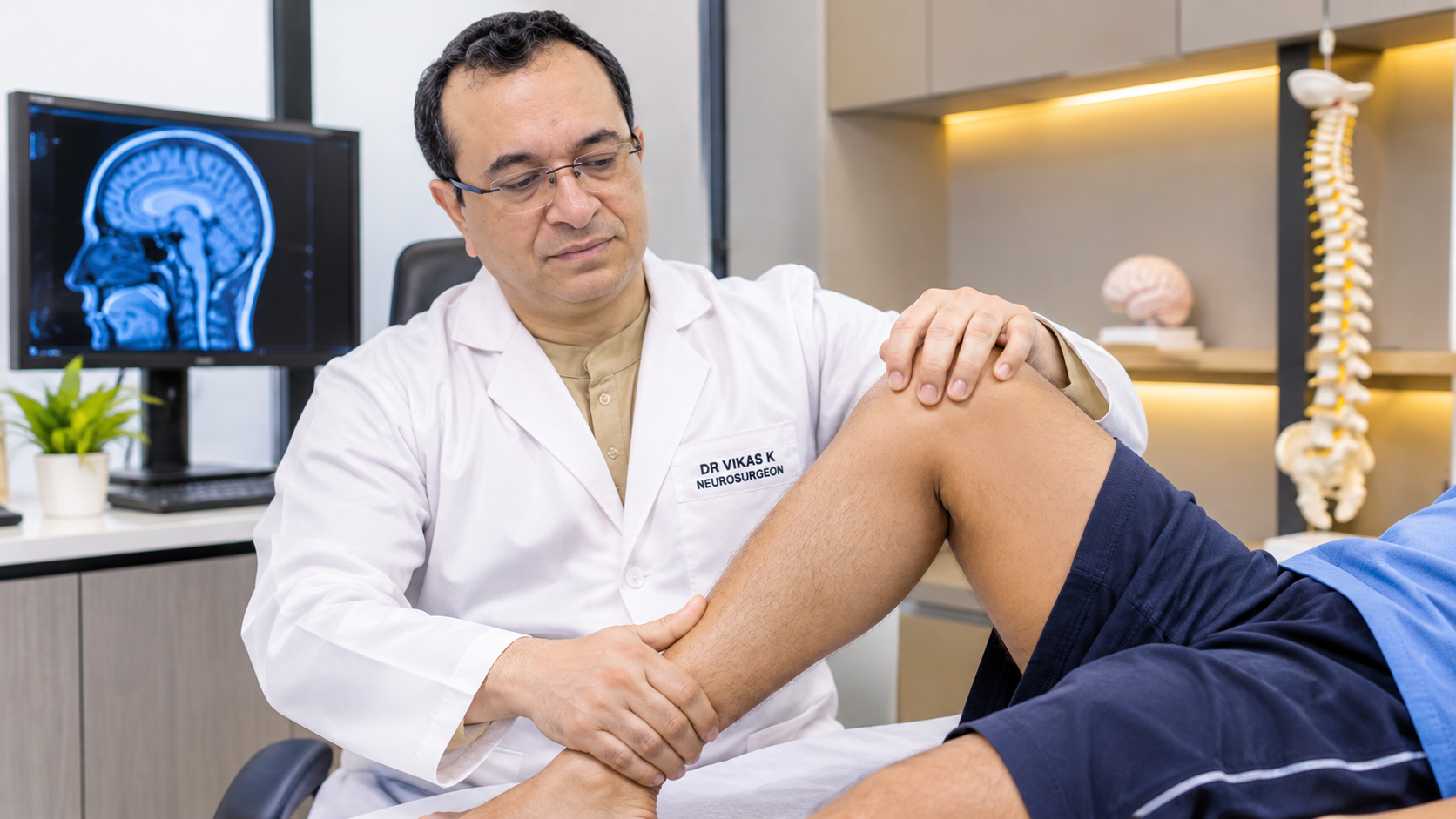
To assess leg stiffness after stroke or spinal injury, the doctor first asks when the stiffness began and how it affects your day. Next, they examine muscle tone, strength, reflexes, joint movement and walking. They also check for pain and possible triggers. If needed, they may advise tests such as MRI, CT or nerve and muscle studies. However, every patient does not need every test.
Bring These Details to Your Visit
- Hospital discharge summary and earlier scans
- A list of current medicines
- Notes on when spasms or tightness increase
- A short walking video, recorded only if it is safe, with a helper nearby
- Your main goal, such as easier walking, better sleep or simpler daily care
Initial Treatment for Leg Stiffness After Stroke
There is no single plan for everyone with leg stiffness after stroke. The team chooses treatment according to the cause, severity, affected muscles, general health and goals. Often, more than one method works together.
1. Physiotherapy and Stretching
For leg stiffness after stroke, a physiotherapist may guide stretching, positioning, strengthening, balance and walking practice. Regular movement helps maintain range of motion. Still, forceful or incorrect stretching can cause harm. Learn the right method before practising at home. Our article on stroke rehabilitation and recovery steps offers more information.
2. Braces, Splints and Mobility Support
An ankle-foot support or another brace may help selected patients with positioning or walking. A walker or stick can also be useful. A trained professional should check the fit, because a poorly fitted device may hurt the skin.
3. Oral Medicines
Doctors may prescribe medicines such as baclofen or tizanidine. These can reduce tightness. On the other hand, they may cause sleepiness, dizziness or weakness. Never start, increase or suddenly stop them on your own. In particular, stopping baclofen suddenly can be dangerous.
4. Targeted Injections
When a few specific muscles cause most of the problem, a specialist may suggest botulinum toxin injections. Their effect is temporary. Therefore, the doctor reviews the response and combines them with rehabilitation when appropriate.
When Should You See a Specialist for Spasticity?
Do not wait until leg stiffness after stroke makes a joint very hard to move. Arrange an assessment if:
- Tightness is increasing or spasms are frequent
- Walking, sitting, sleep or transfers are becoming harder
- Washing, dressing or positioning is difficult for you or your caregiver
- Pain, skin damage or an abnormal limb position is developing
- Current exercises or medicines are not helping enough, or side effects are troubling you
Where Does a Baclofen Pump Fit In?
For some people with severe spasticity, first-line care does not give enough relief, or medicine side effects become a problem. In such cases, a doctor may discuss intrathecal baclofen therapy. A surgically placed pump sends medicine through a thin tube into the fluid around the spinal cord.
Importantly, this treatment is not suitable for every person with paralysis or stiffness. It needs careful assessment and a screening test. It also carries risks and requires regular refills and follow-up. It does not cure paralysis or guarantee walking.
Coming Next: Part 2
When medicines cannot control severe muscle stiffness, is a baclofen pump right for you? We will explain who may be considered, the test dose and realistic goals.
Spasticity Consultation in Gurgaon and Delhi NCR
Dr. Vikas Kathuria is a neurosurgeon serving patients from Gurgaon and across Delhi NCR. You can consult at the following locations. Please call before visiting to confirm the day and time.

H.N. 7311, Ground Floor & LGF, Behind DLF Super Mart 2, DLF Phase IV, Gurugram, Haryana 122009.
Mon to Sat: 10:30 AM to 12:30 PM and 6:00 PM to 7:30 PM
Sunday: 10:00 AM to 2:00 PM
423, 4th Floor, Qutab Plaza, Qutab Plaza Road, DLF Phase-1, Sector 26A, Gurugram, Haryana 122002.
Call for appointment timings.
SPO-101A, First Floor, South Point Mall, DLF Phase 5, Sector 53, Gurugram, Haryana 122011.
Appointments available from 1 December 2026.
You can also visit our contact page or explore more patient guides on the neurosurgery blog.
FAQs on Leg Stiffness After Stroke and Spasticity
Is leg stiffness after stroke normal?
It is common, but you should not ignore it. According to the American Stroke Association, about 25% to 43% of stroke survivors have spasticity in the first year. An assessment helps to find out how much it affects movement and care.
When does stiffness start after a stroke or spinal injury?
The timing differs from person to person. It may appear within weeks, or it may develop months later. Therefore, tell your doctor about any new or increasing tightness.
What is the difference between spasticity and paralysis?
Paralysis or weakness means you cannot move a muscle normally. Spasticity means a muscle becomes overactive and tight. A person can have both in the same leg.
Can physiotherapy alone control spasticity?
Physiotherapy and stretching are important parts of care. For some patients they are enough along with simple measures. Others also need medicines, injections or other treatment.
Why has my stiffness suddenly increased?
Pain, infection, constipation, a full bladder, pressure sores or tight clothing can increase it. A sudden change needs medical advice. If you already have a baclofen pump, treat returning stiffness as an emergency.
Can a baclofen pump cure paralysis?
No. A baclofen pump does not cure paralysis or repair the brain or spinal cord. It is used to reduce severe spasticity in carefully selected patients, and results vary.
Which doctor should I consult for stiff legs after stroke in Gurgaon?
A neurologist, neurosurgeon or rehabilitation specialist can assess spasticity. Care often involves a physiotherapist too. A neurosurgeon is involved when a surgical option or a spine or brain problem needs evaluation.
Take the Next Step
In short, leg stiffness after stroke or spinal cord injury deserves proper attention. Early assessment can identify triggers and guide a practical plan. Above all, treatment goals should match your daily needs, whether that means comfort, movement or easier care.
Medical disclaimer: This article is for general education only. It does not replace examination, diagnosis or treatment by a qualified doctor. In an emergency, seek immediate medical care.